Health and Safety Policy for Carpet Cleaners SE5
 This health and safety policy sets out the standards that guide safe, responsible, and professional carpet cleaning work. It applies to all staff carrying out carpet cleaning services, from preparation through to completion, and supports a consistent approach to risk control, hygiene, and customer care. The aim is to protect employees, clients, visitors, and anyone who may be affected by our activities.
We recognise that carpet cleaners work with electrical equipment, cleaning agents, water, and variable floor conditions. These factors can create hazards if they are not managed properly. For that reason, all work must be planned with safety in mind, using appropriate controls, suitable training, and clear procedures. Safety is not treated as a separate task; it is part of every stage of the job.
 Our policy is built on prevention. We expect all operatives to identify hazards before starting work, assess the environment, and use the correct methods for the situation. This includes checking the condition of the carpet, identifying stains or contamination, and ensuring that equipment is in safe working order. Where a risk cannot be reduced to an acceptable level, the task must be paused until it can be managed properly.
Key Responsibilities
Managers are responsible for providing safe systems of work, appropriate supervision, and suitable equipment. They must ensure that staff receive training on safe handling, chemical awareness, manual handling, and the correct use of extraction and drying machinery. They are also expected to review incidents and near misses so that lessons can be learned and improvements introduced.
Employees must follow instructions, use protective equipment where required, and report defects, hazards, or accidents without delay. Every carpet cleaning specialist should take care when moving furniture, handling cables, and working around wet surfaces. Good housekeeping is essential, as clutter and poor organisation can increase the risk of slips, trips, and equipment damage.
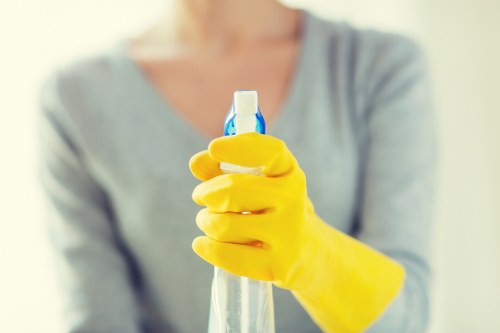
 Personal protective equipment may include gloves, non-slip footwear, eye protection, and other items depending on the task. PPE must be used correctly, kept in good condition, and replaced when necessary. Although PPE is important, it is only one part of the overall control strategy and must not be relied upon as the sole protection against harm.
Safe Working Practices
Before any carpet cleaning operation begins, staff must confirm that the area is suitable for work. This includes checking access routes, protecting surrounding surfaces, and making sure the space is well ventilated. Electrical equipment should be inspected before use, and only approved cleaning products should be applied according to the relevant instructions and safety data information.
Care must be taken to avoid over-wetting, which can create slip hazards, damage flooring, or encourage mould growth if drying is inadequate. Operators should use measured application methods and monitor moisture levels throughout the process. Where necessary, warning signs or barriers should be used to keep people away from wet or treated areas until they are safe to re-enter.
Manual handling is another important area of control. Equipment, water containers, and moved furnishings can be heavy or awkward, so staff should use safe lifting techniques and seek assistance for larger items. A well-trained carpet cleaner understands that rushing a task increases risk, while controlled and methodical work protects both people and property.
Health, Hygiene, and Incident Management
 Chemical safety is essential in carpet maintenance work. Cleaning solutions must be stored securely, labelled clearly, and used only in the recommended amounts. Staff should avoid mixing products unless explicitly permitted, and any spill must be dealt with immediately using the appropriate procedure. Where skin contact or inhalation risks exist, the correct precautions must be followed.
Hygiene standards are maintained through regular cleaning of tools, safe disposal of waste, and attention to contaminated materials. If carpets are affected by bodily fluids, pests, or other hazardous substances, the job must be assessed carefully before work continues. In some cases, specialist controls or refusal of service may be required to ensure safety.
All incidents, near misses, and unsafe conditions must be recorded and reviewed. This helps to improve future practice and reduce repeat hazards. A strong safety culture depends on honest reporting, prompt action, and continuous improvement. We encourage every member of the carpet cleaning team to speak up when something is not right, even if the issue seems minor at first.
Training, Review, and Compliance
 Training is provided so that staff can carry out their duties confidently and safely. New workers must be inducted into this policy, and all employees should receive refresher training at suitable intervals. Topics include equipment use, chemical handling, emergency response, and the safe management of everyday workplace risks.
Compliance with this policy is mandatory. Supervisors may carry out inspections or spot checks to confirm that standards are being followed. Where shortcomings are identified, corrective action will be taken. Repeated breaches of the policy may lead to further disciplinary measures, as safe practice is a condition of working with our company.
This policy is reviewed regularly to ensure it remains effective and relevant. Changes in equipment, materials, or working methods may require updates, and staff will be informed when revisions are made. By maintaining clear standards and a shared commitment to safety, carpet cleaners SE5 can deliver professional results while protecting wellbeing at every stage.